
Laboratory Operations
Services
Laboratory operations (LabOps) encompass the management of workflows, equipment, data, and personnel required to conduct scientific research or diagnostic testing. To optimize efficiency, labs utilise resources like robust information systems for standardised quality assurance.
The laboratory is a hybrid site of chemical and biological experiments with a large array of complex and hazardous equipment. Maintenance and preventative measures, and a solid foundation of good practice is essential for a smooth running laboratory.
Health and Safety
Services
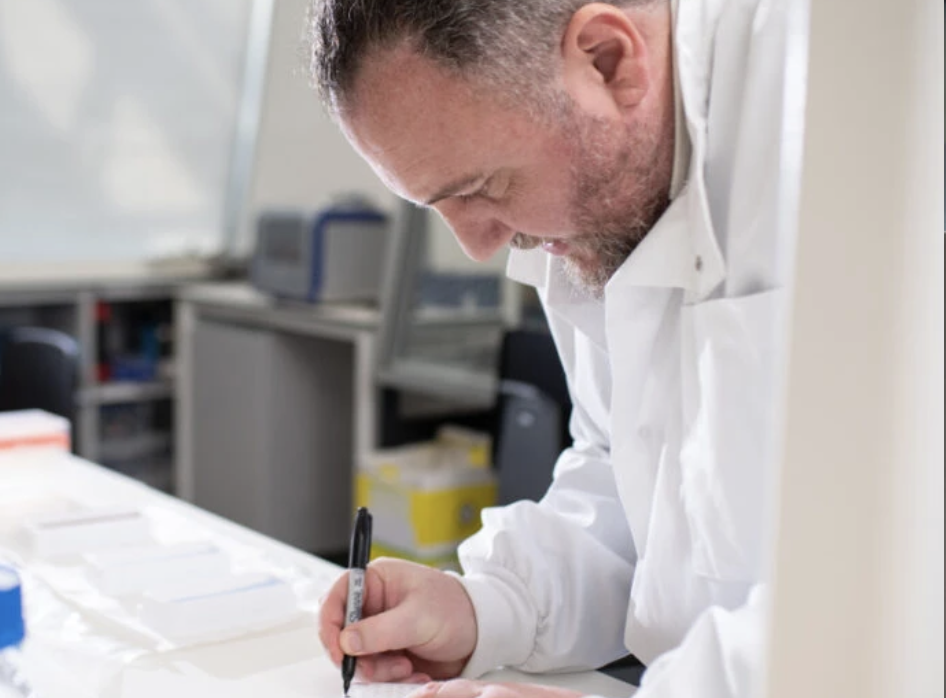
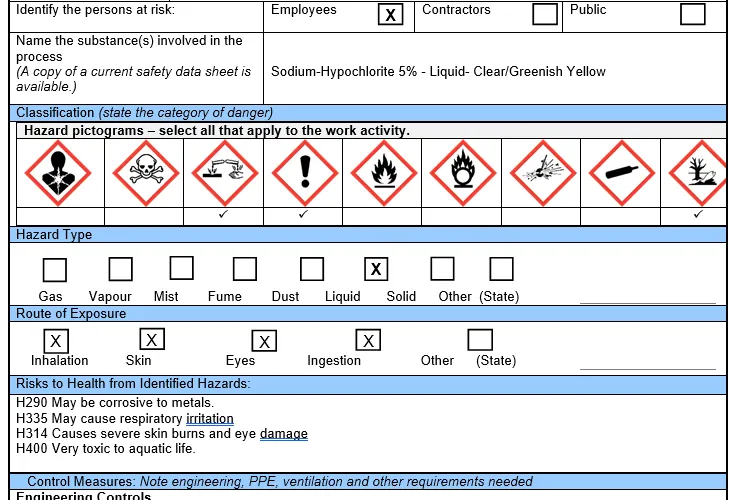
The legal requirements of health and safety is a challenge for small Biotech Startups and rapidly expanding research companies that are focused on obtaining data for their next funding round. Adherence to Health and Safety is often mistakenly neglected, instead of being the forefront of standards. A good foundation and robust infrastructure is key for the success.
Craytonium specialised in preparing the system and culture for producing documented evidence of training, compliance and good practice.
Quality Management Systems
Services
A Quality Management System (QMS) is a structured framework of policies, processes, and procedures designed to ensure an organisation consistently meets customer requirements, enhances satisfaction, and improves performance. It standardises operations to reduce waste and ensure compliance with industry standards, most notably ISO 9001, ISO 15189:2022 and legal requirements for the Human Tissue Authority for the storage of human tissue.
To write a QMS, requires significant time and resources. Experience focuses the time and effort.

Service
Laboratory Design
A Class II biological laboratory requires highly specific architectural and HVAC standards to ensure maximum safety. The fundamental design parameters for a safe and functional BSL-2 facility include:
1. Airflow & Ventilation
- Directional Airflow: Maintain negative air pressure relative to corridors/offices so air flows into the lab, keeping pathogens contained.
- Ventilation Rate: Aim for \(8\) to \(12\) air changes per hour (ACH).
- Exhaust: 100% of exhaust air should ideally be discharged outdoors and not recirculated.
2. Primary Containment (Biosafety Cabinets)
- Class II BSCs: These ventilated cabinets provide triple protection for the operator, product, and environment.
- Placement: Position BSCs away from high-traffic areas, doors, and supply air diffusers (which can disrupt the protective air barrier).
- Types:
- Type A2: Recirculates 70% of air and exhausts 30%.
- Type B2: Hard-ducts and exhausts 100% of air; required if working with volatile toxic chemicals.
3. Layout & Workflow
- Controlled Access: Laboratories must have locking doors, and entry should be restricted when work is in progress.
- Separation: Maintain a spatial separation of distinct activities to avoid cross-contamination.
- Surface Materials: Benches, walls, and floors must be non-porous, chemically resistant, easy to clean, and able to withstand decontaminants (e.g., bleach, alcohols).
4. Safety Equipment & Utilities
- Eyewash Station: Must be readily available and ideally located within the laboratory
- Handwashing Sink: Hands-free or foot-operated sinks must be installed near the exit door.
- Emergency Power: A backup generator or Uninterruptible Power Supply (UPS) is recommended for critical containment and incubators.
5. Biosafety Signage
- Hazards: Doors must clearly display the universal biohazard symbol (For Level 2), the biosafety level, entry requirements, and the contact information of the principal investigator or lab manager.